
Hiding in Plain Sight: The Delight of a Well Made Shirt
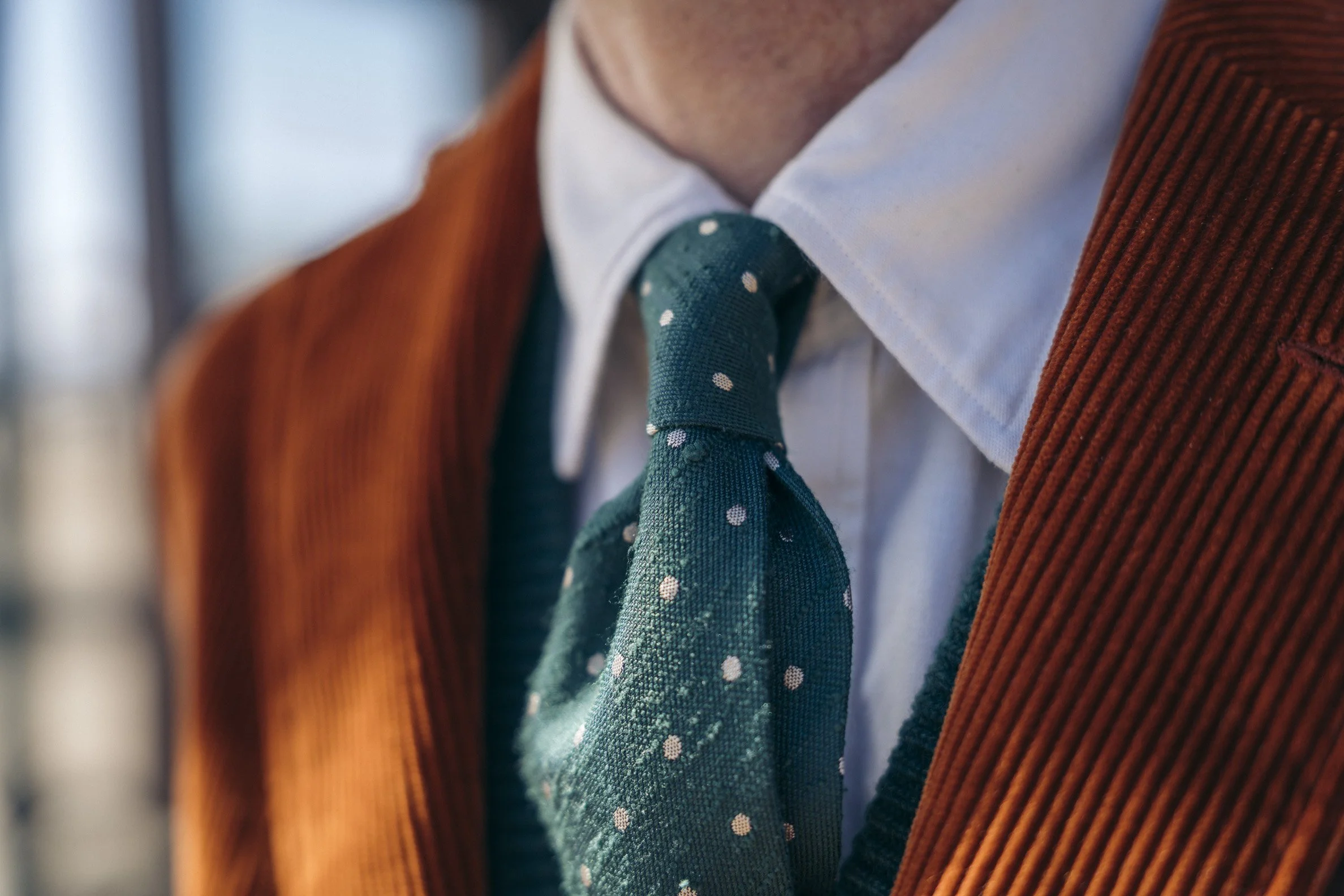
There is something quietly heroic about the shirt. It goes largely unsung — upstaged by the suit above it, the shoe below it — and yet it is, arguably, the hardest working piece in the entire wardrobe. It touches the skin, frames the face, and sets the tone before a single word is spoken. And it has been doing this, in various iterations, for centuries.
Not bad for something that started life as an undergarment.
The shirt's origins as a workmanlike layer — worn beneath doublets, hidden beneath tailoring — could never have predicted its sartorial coming-of-age. Today, the shirt is front and centre of many a wardrobe, hipster or otherwise. It has morphed from a signifier of rank, class, and occupation into something altogether more democratic and endlessly versatile.
Which is both a joy and, if you're standing in front of a rail of them, a mild source of paralysis. Where to begin?
Start with purpose
The most practical question is also the most clarifying one: where are you going to wear it, and how often? Office five days a week? Weekends only? A specific occasion — a wedding, a long lunch, a trip somewhere warm? The answer will guide almost every other decision that follows.
Cut and character
The cut of a shirt says a great deal before you've even considered the fabric. An English cut tends toward the formal — fuller, more structured, built to be tucked. The Italian interpretation is typically softer, designed with sprezzatura in mind. Western shirts bring their own swagger entirely: the yoke across the back, the snap buttons, the chest pockets. And the overshirt — the shirt worn as a jacket — has almost become its own garment category, with a looser, more relaxed silhouette that works with virtually everything underneath it.
The details that matter
Buttons, collars, cuffs — the details are where a shirt reveals its intentions. The button-down collar of an Oxford cloth OCBD is the Ivy League in a nutshell: studied nonchalance. The spread collar signals ceremony. The camp collar says holiday, or at least that you wish you were on one. Cuffs can be single or double, with a gentle rounded cutaway. None of these choices are wrong. All of them communicate something.
Then there's fabric
This is where things get genuinely exciting. Crisp white poplin for a dress shirt. Linen when the mercury climbs. Oxford cloth for a shirt you'll wear twice a week for years. Chambray — the workwear fabric that never goes wrong. Tattersall check for the country; Bengal stripe for the city. Ecru denim for somewhere in between. The weight, the weave, the pattern — each one changes the character of what is, at its heart, the same basic garment.
The seven-year argument
Here is the case for buying well and buying carefully: a good shirt, properly cared for, will last you several years. Possibly longer. When you amortise the cost of a well-made shirt over that kind of lifespan, the economics make themselves. This is not a rationalisation for spending more than you should. It is an argument for thinking carefully, choosing something that fits well, wears well, and works with more things in your wardrobe than it doesn't.
"Buy less, choose well, make it last."
— Vivienne Westwood
These three instructions apply nowhere more obviously than to the shirt. Because however much the suit gets the credit, however loudly the shoe announces itself — it is the shirt, quietly, that holds it all together.